Collection: Height Sticks, Tire Skates & Wheel Chocks
Loading and parking tools for auto haulers, tow operators and flatbed drivers: 15 ft height sticks for checking the height of a load or vehicle, tire skates for moving heavy tires, and rubber wheel chocks.
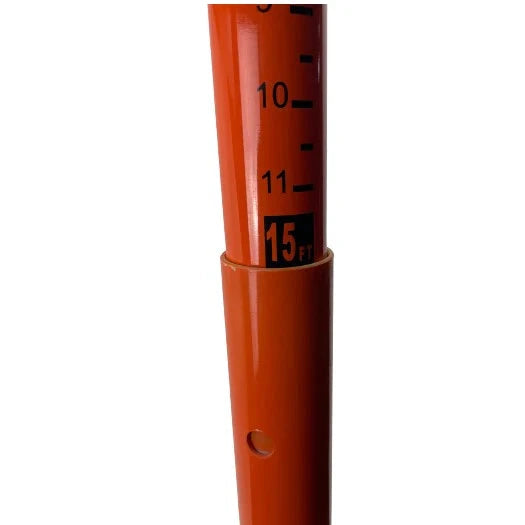
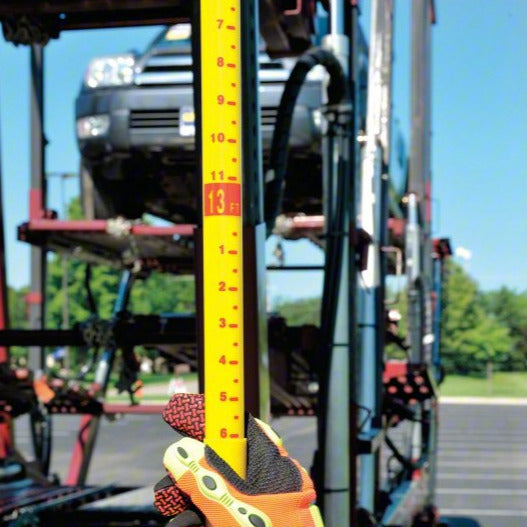
Height sticks. Both height sticks are 15 ft with a 4 ft arm. The orange telescoping stick weighs 5.7 lb. The yellow stick is a three-stage collapsible fiberglass stick that measures from 5 ft 6 in to 15 ft and folds to 5 ft 6 in for storage. Its 4 ft cross arm has a hinge, a locking wing screw and a scratch guard at the tip.
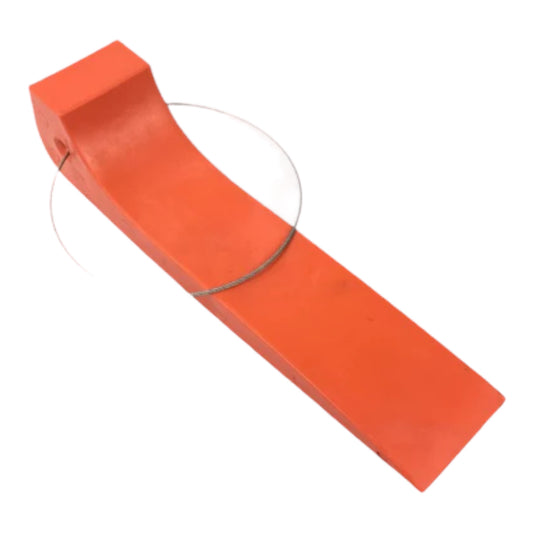
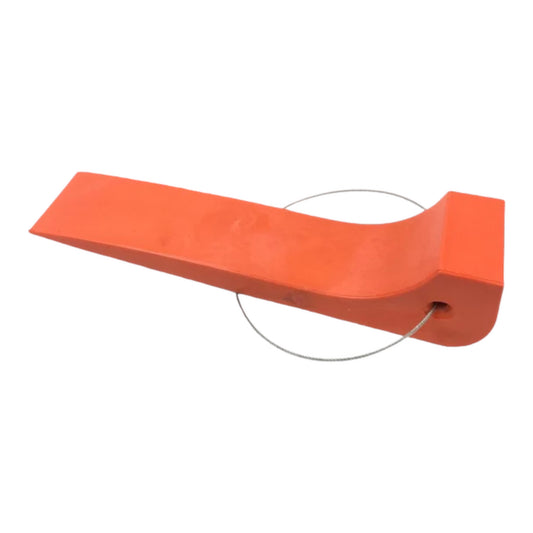
Tire skates. Our 3.5 in tall tire skates are 15.75 in long, weigh 4 lb and are made of post-recycled plastic in high-visibility orange. Each skate has a 4,000 lb working load limit. They are sold singly or in 4-packs, so you can buy the number you need.
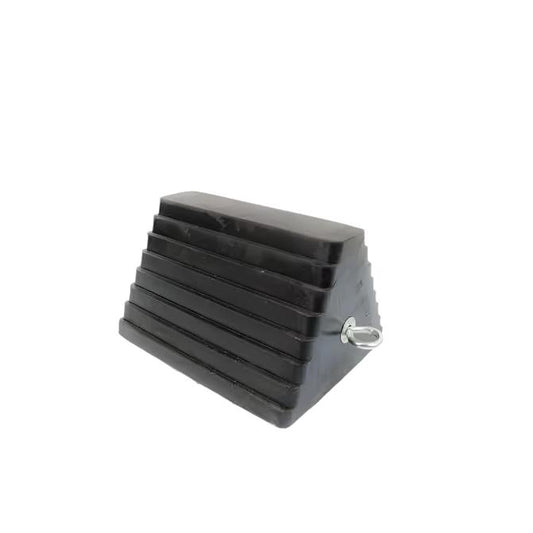
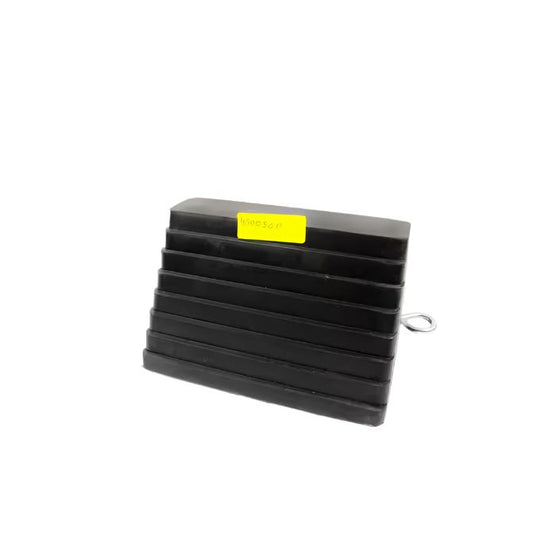
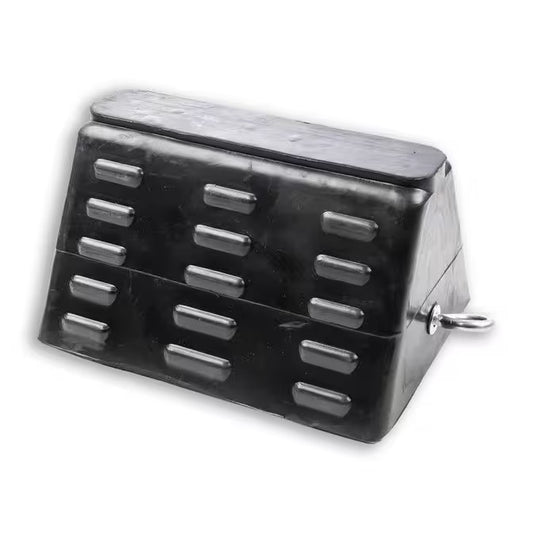
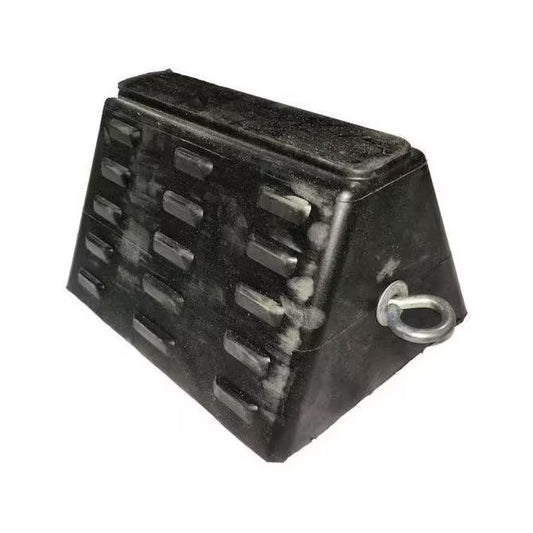
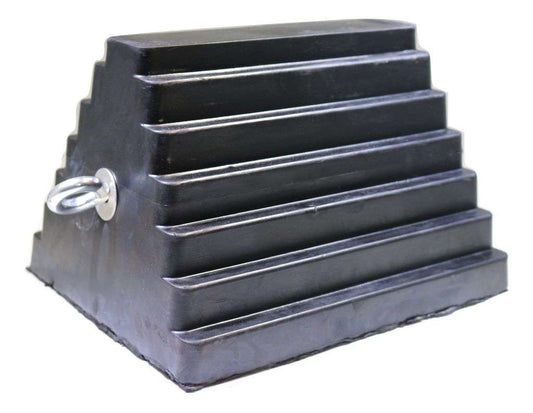
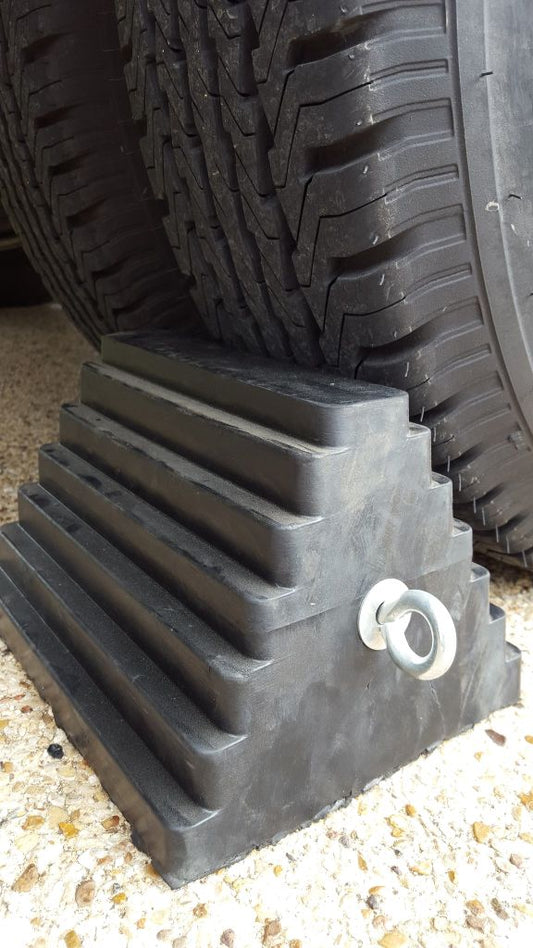
Wheel chocks. Rubber pyramid-style wheel chocks in 9 lb and 12 lb sizes, with or without a handle.
Securing the vehicle itself? See Auto Hauling & Car Transport. Free shipping on standard items over $175 and on heavy freight over $500 (contiguous U.S.). Questions? Call 833.LIFT.TOW (833.543.8869), seven days a week.
Height Sticks, Tire Skates and Wheel Chocks FAQ
What is a height stick used for?
A height stick measures the height of a load or of a vehicle on a deck so you can compare it with the overhead clearances on your route. Always confirm the posted clearances on your route and your state's height limits.
What is the difference between the two 15 ft height sticks?
The orange stick is a telescoping stick that weighs 5.7 lb. The yellow stick is a three-stage collapsible fiberglass stick that measures from 5 ft 6 in to 15 ft and folds to 5 ft 6 in. Both have a 4 ft arm.
What are tire skates used for?
A tire skate slides under a tire so a heavy tire can be moved across a surface. Each GO-TOW tire skate has a 4,000 lb working load limit. With a skate under every tire, they can be used to move and maneuver a vehicle.
How many wheel chocks do I need?
The 9 lb chock listing advises placing at least two chocks directly against the tire or wheel after the vehicle is in park and the brake is set. Rules vary, so check your local jurisdiction.